NAFLD in Children: The Role of Maternal Nutrition and Early Intervention
← Back to Articles

NAFLD in Children: The Role of Maternal Nutrition and Early Intervention

Understanding NAFLD in Children

Non-Alcoholic Fatty Liver Disease, or NAFLD, was once considered primarily an adult condition. Today, it's increasingly diagnosed in children, making it the most common liver disease in pediatric populations globally. NAFLD occurs when fat accumulates in liver cells without alcohol consumption, potentially progressing to more severe conditions like non-alcoholic steatohepatitis (NASH), fibrosis, and cirrhosis.

The rise of NAFLD in children parallels increasing rates of childhood obesity, but it's also influenced by maternal nutrition, genetic factors, and early-life exposures. This recognition has shifted focus toward prevention and early intervention strategies that begin even before birth, emphasizing the critical role of maternal nutrition in fetal development.

NAFLD in Children Overview

Why NAFLD is on the Rise in Children

Several factors contribute to the increasing prevalence of NAFLD in children:

  • Obesity Epidemic: Childhood obesity is a primary risk factor, with overweight children having significantly higher NAFLD risk.
  • Dietary Patterns: High sugar and processed food consumption contributes to metabolic disturbances.
  • Maternal Health: Maternal obesity, diabetes, and poor nutrition during pregnancy influence fetal liver development.
  • Inactivity: Sedentary lifestyles contribute to metabolic syndrome and liver fat accumulation.
  • Genetic Factors: Some children have genetic predispositions to fat accumulation in the liver.

Understanding these factors is crucial for developing effective prevention and early intervention strategies. The role of maternal nutrition in fetal programming—how nutrition during pregnancy affects the developing child's metabolism—is particularly important.

Maternal Nutrition and Fetal Liver Development

The concept of fetal programming suggests that environmental factors during pregnancy, including maternal nutrition, can permanently influence the developing fetus's metabolism and disease risk. The liver, which develops early in gestation, is particularly susceptible to maternal nutritional status.

Key aspects of maternal nutrition that influence fetal liver development include:

  • Macronutrient Balance: Appropriate protein, carbohydrate, and fat intake supports proper organ development.
  • Folic Acid: Essential for DNA synthesis and methylation, influencing metabolic programming.
  • DHA and Omega-3s: Critical for neurological and metabolic development.
  • Calcium and Iron: Support bone and blood development while influencing metabolism.
  • Caloric Intake: Both under- and overnutrition can affect fetal metabolic programming.

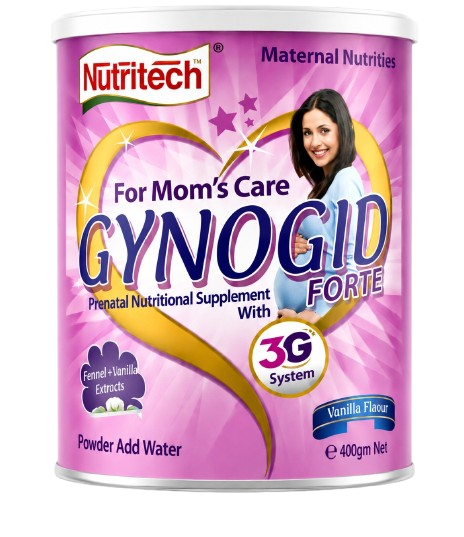
Products like GYNOGID FORTE, with 3G nutritional system (Go, Grow, Glow), provide comprehensive maternal nutrition that supports proper fetal development, potentially reducing the risk of metabolic conditions including NAFLD.

How Maternal Health Influences Infant Liver Health

The link between maternal health and infant liver health is increasingly evident in research:

Maternal FactorEffect on Fetal/Infant LiverPotential Intervention
Maternal ObesityIncreased liver fat accumulation in offspringPre-pregnancy weight management
Gestational DiabetesAltered metabolic programmingBlood sugar control during pregnancy
Poor Diet QualityInadequate nutrients for proper developmentMaternal nutritional supplementation
Excess Weight GainIncreased risk of childhood NAFLDAppropriate weight gain monitoring

This evidence underscores the importance of comprehensive maternal nutritional supplementation like Gynogid Forte, which provides 213 kcal per serving with 10g protein, 355mg calcium, 12mg iron, and 384mg folic acid to support both maternal and fetal health.

Early Intervention Strategies to Prevent NAFLD in Children

Preventing NAFLD begins before birth and continues throughout childhood. Key intervention points include:

  • Preconception Health: Optimize maternal weight and nutrition before pregnancy.
  • Prenatal Nutrition: Ensure comprehensive maternal nutrition including essential vitamins and minerals.
  • Infant Feeding: Support breastfeeding when possible, as it's associated with lower obesity risk.
  • Childhood Diet: Emphasize whole foods, limit sugars and processed foods.
  • Physical Activity: Encourage regular physical activity from early childhood.
  • Regular Monitoring: Track growth and weight to identify concerns early.

These strategies work synergistically to reduce NAFLD risk and promote metabolic health throughout life. The 3G nutritional system—Go, Grow, Glow—provides a framework for comprehensive maternal and child nutrition.

Identifying NAFLD in Children: Signs and Symptoms

NAFLD in children often has subtle symptoms, making early detection challenging. Indicators include:

  • Obesity: Being overweight is the strongest risk factor.
  • Abdominal Pain: Vague upper right abdominal discomfort may occur.
  • Fatigue: Persistent tiredness without explanation.
  • Elevated Liver Enzymes: Detected through routine blood testing.
  • Enlarged Liver: May be detected on physical examination.

Children with these signs, especially if they have risk factors like maternal obesity or gestational diabetes, should be evaluated by their healthcare provider. Early detection allows for lifestyle interventions that can reverse or improve NAFLD.

The 3G Nutritional System for Maternal Health

The 3G (Go, Grow, Glow) nutritional system provides a comprehensive framework for maternal nutrition that supports fetal development and reduces risk of metabolic conditions:

  • Go: Sustained energy through balanced caloric intake and appropriate carbohydrates. Gynogid Forte provides 213 kcal per serving.
  • Grow: Supports fetal development through essential nutrients including DHA, folic acid, calcium, and iron.
  • Glow: Promotes dynamic maternal health through antioxidants and supporting nutrients.

This system ensures premium maternal nutrition that not only supports fetal development but also protects against conditions that could predispose children to NAFLD and other metabolic conditions.

3G Nutritional System for Maternal Health

Nutritional Intervention for Children with NAFLD

For children already diagnosed with NAFLD, comprehensive nutritional intervention is essential:

  • Weight Management: Gradual, sustainable weight loss if overweight.
  • Diet Quality: Mediterranean or DASH-style diets with whole foods and limited sugars.
  • Adequate Protein: Maintains muscle mass while reducing liver fat.
  • Healthy Fats: Emphasis on omega-3s and beneficial fats like MCT oil.
  • Liver-Supporting Nutrients: Nutrients that specifically support hepatic health.

Products like MCTOLIP can support pediatric nutrition in children with NAFLD by providing concentrated, easily utilized energy without causing excessive fat storage. This is particularly useful in children who need weight management support.

Key Nutrients for Liver Health in Children

Several specific nutrients support liver health and may help manage or prevent NAFLD in children:

  • BCAAs: Branched-chain amino acids support muscle preservation and liver function.
  • Choline: Essential for fat metabolism and liver health.
  • Vitamin E: Antioxidant that may reduce liver inflammation.
  • Vitamin D: Often deficient in children with NAFLD; supplementation may help.
  • Omega-3 Fatty Acids: Anti-inflammatory effects support liver health.
  • MCT Oil: Rapidly utilized energy that doesn't burden the liver.

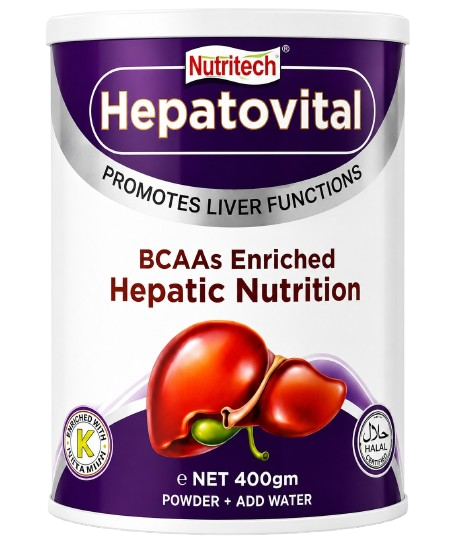
Specialized products like Hepatovital provide targeted hepatic support through optimized BCAAs and high leucine content, which may benefit children with liver concerns under medical supervision.

Preventing NAFLD Through Healthy Family Nutrition

Family-based approaches are most effective for preventing NAFLD and promoting overall health:

  • Family Meals: Regular family meals with nutritious foods model healthy eating.
  • Fruit and Vegetable Intake: Aim for colorful varieties to ensure diverse nutrients.
  • Active Lifestyle: Incorporate physical activity as a family activity.
  • Beverage Choices: Limit sugary drinks and emphasize water.
  • Portion Awareness: Appropriate portions support healthy weight maintenance.

This approach benefits everyone in the family while specifically protecting children against NAFLD and other metabolic conditions.

Clinical Research on Maternal Nutrition and Childhood Liver Health

Research continues to illuminate the connections between maternal nutrition and childhood liver health:

  • Studies show maternal supplementation with essential nutrients improves fetal metabolic programming.
  • Research demonstrates links between maternal obesity and increased childhood NAFLD risk.
  • Folic acid supplementation during pregnancy is associated with reduced risk of pediatric liver conditions.
  • DHA supplementation may have beneficial effects on infant metabolism and development.

This growing body of evidence supports comprehensive maternal nutritional supplementation as a key strategy in preventing NAFLD in children.

Long-Term Outlook: Children with NAFLD

The long-term prognosis for children with NAFLD varies based on early intervention and management. Without intervention, NAFLD can progress to more serious conditions. However, with appropriate lifestyle modifications and support, many children can reverse fatty liver or prevent progression.

Key factors in improving outcomes:

  • Early detection and intervention
  • Family-based lifestyle changes
  • Comprehensive nutritional support
  • Regular medical monitoring
  • Ongoing support for healthy habits

FAQs About NAFLD in Children and Maternal Nutrition

What causes NAFLD in children?

NAFLD in children is caused by a combination of factors including obesity, poor diet, genetic predisposition, and maternal nutritional status during pregnancy.

Can NAFLD in children be reversed?

Yes, with appropriate lifestyle changes—including healthy diet, weight management, and regular physical activity—NAFLD can often be reversed in children.

How can maternal nutrition during pregnancy help prevent NAFLD?

Maternal nutrition influences fetal metabolic programming. Adequate nutrients, appropriate weight gain, and avoiding excessive weight can reduce the child's risk of metabolic conditions including NAFLD.

Does GYNOGID FORTE support healthy fetal development?

Yes, Gynogid Forte provides essential nutrients for fetal development, including folic acid, DHA, calcium, and iron, supporting proper organ development and metabolic programming.

What are signs that a child might have NAFLD?

Signs include persistent obesity, fatigue, abdominal discomfort, and elevated liver enzymes. However, symptoms may be subtle, making screening important for at-risk children.

How is NAFLD diagnosed in children?

Diagnosis typically involves liver function tests, imaging (ultrasound or MRI), and sometimes liver biopsy in complex cases.

Is MCT oil beneficial for children with liver concerns?

MCT oil can be beneficial as it provides easy-to-utilize energy without burdening the liver. However, use should be under medical supervision for children with liver conditions.

How does the 3G nutritional system support maternal and child health?

The 3G system—Go, Grow, Glow—provides a comprehensive nutritional approach that supports sustained energy, fetal development, and maternal health, promoting optimal outcomes for both mother and child.

Conclusion: Protecting the Next Generation from NAFLD

The rise of NAFLD in children represents a significant public health challenge, but it's one that can be addressed through comprehensive prevention strategies. The power of maternal nutrition in fetal programming underscores the importance of proper nutrition even before pregnancy.

Products that support premium maternal nutrition and early childhood nutritional needs—such as Gynogid Forte for maternal health, Mctolip for pediatric nutrition, and Hepatovital for liver support—can play important roles in comprehensive prevention and management strategies.

By addressing NAFLD risk factors from the earliest stages, we can protect the next generation from this condition, promoting healthier children and a healthier future. Early intervention, comprehensive maternal nutrition, and family-based approaches are the keys to turning the tide against NAFLD in children.