Folic Acid vs L-Methylfolate: What to Take During Pregnancy?
← Back to Articles

Folic Acid vs L-Methylfolate: What to Take During Pregnancy?

The Importance of Folate in Pregnancy

Pregnancy represents a period of extraordinary physiological change, where nutritional needs skyrocket to support the growth and development of a new life. Among all essential nutrients, folate stands out as one of the most critical for fetal development. This B-vitamin plays an indispensable role in neural tube formation, DNA synthesis, and cell division during the earliest and most vulnerable stages of pregnancy.

The maternal nutritional supplement needs during pregnancy cannot be overstated. The demand for folate increases dramatically as the developing fetus grows, and the mother's body adapts to support this growth. Yet the discussion around which form of folate is optimal for pregnancy has evolved significantly in recent years, raising important questions about folic acid vs L-methylfolate.

Folate Importance in Pregnancy

Understanding Folic Acid: The Standard Approach

Folic acid has been the standard recommendation for pregnancy nutrition for decades. It is a synthetic form of folate, created to provide stability and longer shelf life in supplements and fortified foods. Folic acid has been remarkably effective in reducing neural tube defects, which is why it's been universally recommended for women of childbearing age.

The body must convert folic acid into its active form, L-methylfolate, through a multi-step process that involves several enzymes. This conversion is essential for folic acid to be utilized in the body's biological processes. For most people, this conversion occurs efficiently. However, genetic variations and metabolic factors can significantly impair this conversion, potentially leaving some women with inadequate levels of active folate during pregnancy.

What Is L-Methylfolate?

L-methylfolate, also known as 5-methyltetrahydrofolate or 5-MTHF, is the biologically active form of folate. It is the form that the body actually uses—no conversion necessary. It participates directly in critical processes including:

  • Neural Tube Development: Directly supports the formation of the neural tube that becomes the brain and spinal cord.
  • DNA Synthesis: Essential for the rapid cell division occurring in fetal growth.
  • Red Blood Cell Production: Supports the increased blood volume needed during pregnancy.
  • Homocysteine Regulation: Helps maintain healthy homocysteine levels, protecting against pregnancy complications.

The key advantage of L-methylfolate is bioavailability. Since it doesn't require metabolic conversion, it's immediately available for biological processes. This is particularly beneficial for women with genetic variations like the MTHFR mutation, which affects folic acid conversion efficiency.

The MTHFR Gene: Why Conversion Matters

The MTHFR gene provides instructions for making an enzyme that's crucial for converting folic acid to L-methylfolate. Variations in this gene (polymorphisms) are surprisingly common, affecting approximately 30-60% of the population depending on ethnicity and region.

Women with MTHFR variants may have reduced ability to convert folic acid into its active form. Even with adequate folic acid intake, these women might have insufficient active folate levels for optimal fetal development. This is why the choice between folic acid and L-methylfolate can significantly impact pregnancy outcomes for these individuals.

  • MTHFR C677T: The most common variant, affecting up to 30-40% of some populations.
  • MTHFR A1298C: A less common variant but still significant in affecting folate metabolism.
  • Compound Heterozygosity: Having one copy of each variant can still affect conversion efficiency.

Folic Acid vs L-Methylfolate: Key Differences

Understanding the distinctions between these two forms of folate is essential for making informed decisions during pregnancy:

AspectFolic AcidL-Methylfolate
FormSyntheticNaturally occurring active form
MetabolismRequires conversion in the liverReady to use—no conversion needed
MTHFR VariantsMay be poorly convertedEffective regardless of genetics
BioavailabilityDepends on conversion capacityImmediately bioavailable
Blood LevelsMay show unmetabolized formsReflects active folate status
SafetyWell-established in researchExcellent safety profile

The choice between these forms becomes particularly important in maternal nutrition where every nutrient must be optimally available to support both mother and baby.

DHA: Essential Fatty Acid for Fetal Brain Development

While folate receives significant attention in pregnancy nutrition, DHA (Docosahexaenoic Acid) is equally important. DHA is an omega-3 fatty acid that plays a vital role in fetal brain and eye development. The brain undergoes rapid growth during the third trimester, with DHA serving as a key structural component of brain tissue.

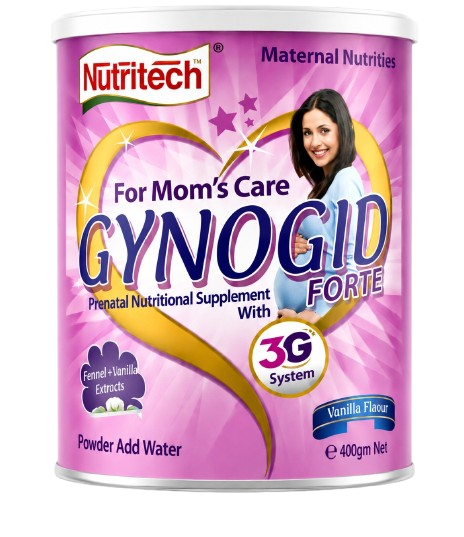
A premium maternal nutrition plan must include adequate DHA, which is why supplements like Gynogid Forte include 18.6 mg of DHA per serving. This essential nutrient works synergistically with folate and other nutrients to support comprehensive fetal development.

  • Brain Development: DHA accumulates rapidly in the fetal brain during the third trimester.
  • Eye Development: DHA is crucial for retinal development and visual function.
  • Neuroprotection: Supports proper neural connections and neurotransmitter function.
  • Maternal Mood: May help support healthy mood balance during the postpartum period.
DHA for Baby Development

Calcium and Iron: Supporting Maternal and Fetal Health

A comprehensive maternal nutritional supplement must address multiple nutritional needs beyond folate. Calcium and iron are two critical minerals that support maternal health and fetal development:

Calcium: Building Strong Bones

Calcium is essential for fetal skeletal development and maintaining maternal bone health. During pregnancy, the growing baby's skeleton requires significant calcium, with demand peaking during the third trimester when bones are rapidly mineralizing.

  • Supports fetal skeletal development and tooth formation.
  • Maintains maternal bone density during pregnancy and breastfeeding.
  • Helps prevent pregnancy-related hypertension complications.
  • Supports proper muscle and nerve function in both mother and baby.

Iron: Preventing Anemia in Pregnancy

Iron is critical for preventing anemia during pregnancy, supporting the expansion of maternal blood volume, and ensuring adequate oxygen delivery to the developing fetus. Iron needs increase substantially during pregnancy due to the demands of fetal growth and maternal adaptation.

  • Prevents maternal anemia and associated fatigue and weakness.
  • Supports fetal brain development and cognitive function.
  • Contributes to healthy birth weight outcomes.
  • Reduces risk of preterm delivery and low birth weight.

The 3G System: Go, Grow, Glow

Innovative maternal nutrition approaches like the 3G system (Go, Grow, Glow) address the multifaceted needs of pregnancy. This framework ensures comprehensive nutritional coverage:

  • Go: Provides sustained energy through balanced caloric intake and appropriate carbohydrate sources.
  • Grow: Supports fetal development through essential nutrients including folate, DHA, calcium, and iron.
  • Glow: Promotes dynamic maternal health through antioxidants and supporting nutrients.

Products like Gynogid Forte incorporate this 3G system to provide complete prenatal nutrition, recognizing that pregnancy requires more than isolated nutrients—it demands a comprehensive, synergistic approach to premium maternal nutrition.

What Every Pregnant Woman Should Look for in a Supplement

When selecting a pregnancy supplement, look for these essential components:

  • Active Folate: L-methylfolate for optimal absorption regardless of genetics.
  • DHA: Essential fatty acid for brain and eye development.
  • Calcium: 355 mg or more per serving for bone support.
  • Iron: Adequate iron to prevent anemia and support fetal development.
  • Folic Acid: If L-methylfolate is not available, adequate folic acid remains important.
  • Energy Support: Appropriate caloric content to support increased energy needs.

A high-quality maternal nutritional supplement should provide these nutrients in appropriate ratios and forms, using the most bioavailable options. For example, Gynogid Forte provides 384 mg of folic acid per serving, 18.6 mg of DHA, 355 mg of calcium, 12 mg of iron, along with 213 kcal of energy and 10g of protein.

Addressing Common Myths About Prenatal Nutrition

Several misconceptions about prenatal nutrition persist and can affect decision-making about maternal nutrition:

  • Myth: All folate is the same. Reality: L-methylfolate provides superior bioavailability, especially for women with MTHFR variants.
  • Myth: More is always better. Reality: Balanced ratios and appropriate forms matter more than quantity.
  • Myth: Prenatal vitamins are only about folic acid. Reality: Comprehensive nutrition including DHA, calcium, and iron is essential.
  • Myth: Diet alone provides enough nutrition. Reality: Modern diets often require supplementation for optimal pregnancy outcomes.

Folate Requirements Throughout Pregnancy

Folate needs change throughout pregnancy, making consistent supplementation essential at each stage:

Pregnancy StageFolate NeedsWhy It Matters
Pre-ConceptionHighNeural tube begins forming before many women know they're pregnant
First TrimesterVery HighCritical period for neural tube and brain development
Second TrimesterHighRapid growth continues; increased blood volume
Third TrimesterHighFetal maturation, tissue growth, and DNA synthesis
BreastfeedingElevatedSupporting milk production and postpartum recovery

Making the Choice: Which Form Is Best for You?

Making the choice between folic acid and L-methylfolate requires considering several factors:

  1. Know Your MTHFR Status: Genetic testing can reveal whether you're likely to benefit from L-methylfolate.
  2. Consider Your Medical History: Previous pregnancy outcomes or neural tube defects may influence choices.
  3. Assess Your Diet: Natural folate intake from food may be supplemented differently.
  4. Consult Your Provider: Healthcare guidance is essential for personalized recommendations.
  5. Choose Quality Supplements: Products with L-methylfolate ensure bioavailability regardless of genetics.

For women with known MTHFR variants or those who want to ensure optimal fetal development, L-methylfolate offers distinct advantages. However, healthcare providers should always be consulted before making any changes to prenatal supplementation.

Research on Folate and Pregnancy Outcomes

Extensive research has established folate's importance in pregnancy, but emerging studies continue to refine understanding of optimal forms and dosing:

  • Studies show L-methylfolate achieves higher blood folate levels than folic acid in MTHFR variant carriers.
  • Research indicates adequate folate levels reduce neural tube defect risk by 50-70%.
  • Some evidence suggests L-methylfolate may reduce risks of gestational complications.
  • Ongoing research explores optimal dosing for different genetic profiles.

The science continues to evolve, but the evidence strongly supports the importance of adequate, bioavailable folate for optimal maternal and fetal outcomes.

FAQs About Folic Acid and L-Methylfolate in Pregnancy

Do I need to take both folic acid and L-methylfolate?

No, you typically need one or the other. L-methylfolate is generally considered superior because it's the active form the body uses directly, bypassing conversion requirements.

How do I know if I have the MTHFR gene variant?

Genetic testing through your healthcare provider can identify MTHFR variants. Many women choose L-methylfolate supplementation regardless of testing due to its superior bioavailability.

What is the recommended daily dose of L-methylfolate?

Typical recommendations align with standard folate needs of 400-800 mcg daily for pregnancy, but healthcare providers may recommend different amounts based on individual circumstances.

Can I switch from folic acid to L-methylfolate during pregnancy?

Yes, but always consult your healthcare provider before making changes to your prenatal nutrition plan.

Is L-methylfolate safe during pregnancy?

Yes, L-methylfolate is considered safe and often recommended for pregnancy. It's the natural, active form of folate that poses no additional risks compared to folic acid.

Do prenatal supplements with L-methylfolate cost more?

L-methylfolate supplements may be priced slightly higher due to the formulation costs, but the increased bioavailability often justifies the investment in maternal and fetal health.

Conclusion: Optimizing Maternal Nutrition for Best Outcomes

The choice between folic acid and L-methylfolate represents a meaningful decision in premium maternal nutrition. While folic acid has served women well for generations, L-methylfolate offers distinct advantages in bioavailability and usability, particularly for women with genetic variations that affect folate metabolism.

A comprehensive approach to maternal nutritional supplement extends beyond just folate. DHA, calcium, iron, and appropriate caloric and protein support all contribute to optimal pregnancy outcomes. The 3G system approach—Go, Grow, Glow—provides a framework for addressing the full spectrum of maternal and fetal nutritional needs.

Ultimately, the best choice is informed by individual circumstances, genetic factors, and medical guidance. By prioritizing nutrient-dense, bioavailable prenatal nutrition, expecting mothers can support optimal fetal development and their own health throughout pregnancy and beyond.