BCAAs and Liver Health: Can They Support Cirrhosis Management?
← Back to Articles

BCAAs and Liver Health: Can They Support Cirrhosis Management?

Understanding the Liver: Your Body's Filtration Powerhouse

The liver is one of the most vital organs in the human body, performing over 500 essential functions that keep us alive and healthy. It filters toxins from the blood, produces bile for digestion, stores nutrients, and regulates metabolism. When liver function becomes compromised due to disease or damage, the entire body suffers. Liver health is foundational to overall wellness, yet it's often overlooked until problems arise.

Liver disease affects millions worldwide. Conditions like fatty liver disease, hepatitis, and cirrhosis can progressively impair liver function, leading to serious complications. Cirrhosis, in particular, represents advanced scarring of the liver tissue that disrupts its ability to function properly. This is where specialized nutrition plays a crucial role in management and support.

Liver Anatomy and Function

What Are BCAAs and Why Do They Matter for Liver Health?

BCAAs (Branched-Chain Amino Acids) consist of three essential amino acids: leucine, isoleucine, and valine. They are called "branched-chain" due to their unique chemical structure. Unlike other amino acids, BCAAs are primarily metabolized in skeletal muscle rather than the liver, which gives them a special advantage in liver disease management.

In patients with cirrhosis and other liver diseases, the liver's ability to metabolize amino acids and proteins is significantly impaired. This creates a state of nutritional deficiency and muscle wasting. BCAAs offer a unique solution because they bypass primary liver metabolism, ensuring systemic bioavailability in general circulation. This means the body can utilize these essential nutrients even when the liver is compromised.

The optimized BCAAs found in specialized hepatic nutrition formulas are specifically designed to support liver function while providing essential protein building blocks that the body cannot produce on its own. This makes them invaluable in the dietary management of liver disease patients.

The Science Behind BCAAs in Cirrhosis Management

Scientific research has demonstrated the significant benefits of BCAA supplementation for patients with cirrhosis. These benefits extend beyond simple nutritional support to include actual therapeutic effects that can improve quality of life and clinical outcomes.

  • Improved Muscle Mass: Cirrhosis often leads to sarcopenia (muscle wasting). BCAAs, particularly leucine, stimulate muscle protein synthesis, helping preserve and rebuild muscle tissue.
  • Reduced Hepatic Encephalopathy: BCAAs can help manage hepatic encephalopathy by competing with aromatic amino acids for brain transport, potentially reducing neurological symptoms.
  • Enhanced Liver Regeneration: High leucine content in BCAA formulas favors the natural regeneration process of liver tissue, supporting recovery and repair.
  • Improved Nutritional Status: BCAAs help meet the higher protein needs of cirrhosis patients who often suffer from malnutrition and hypermetabolic states.

The advanced regeneration potential of BCAAs lies in their ability to stimulate growth factors that promote tissue repair. Leucine, in particular, activates the mTOR pathway, which is essential for protein synthesis and cellular growth. This is why specialized hepatic formulas emphasize high leucine quantity for maximum regeneration support.

Who Can Benefit from BCAA Supplementation for Liver Health?

While BCAAs are beneficial for general wellness, they are particularly valuable for specific populations with liver concerns. The following groups may experience significant benefits from targeted BCAA supplementation:

  • Cirrhosis Patients: Those with advanced liver scarring require higher protein intake and specialized amino acid support.
  • Fatty Liver Disease Patients: Individuals with NAFLD or NASH can benefit from nutritional support that reduces liver stress.
  • Hepatitis Patients: Those with viral or autoimmune hepatitis may need nutritional support to maintain liver function.
  • Post-Liver Surgery Patients: Recovery after liver procedures requires enhanced nutrition to support healing.
  • Malnourished Patients: Individuals with poor appetite or malabsorption issues can benefit from nutrient-dense supplement.

It's important to note that BCAA supplementation should be part of a comprehensive management plan under medical supervision. The targeted hepatic care provided by specialized products addresses the unique nutritional needs of liver disease patients who cannot meet their requirements through diet alone.

BCAA Supplementation Benefits

Understanding Hepatic Nutritional Support Products

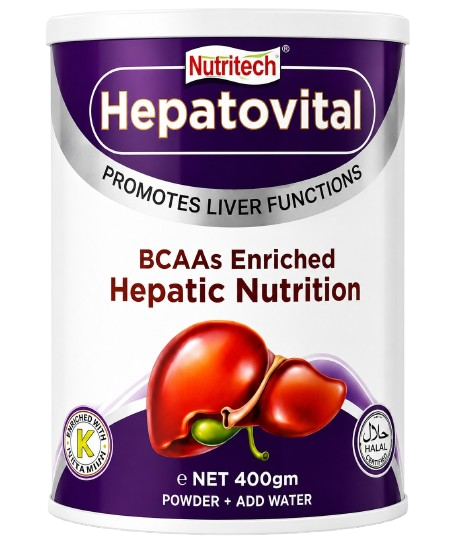
Specialized hepatic nutrition products like Hepatovital from Nutritech represent the gold standard in targeted liver support. These products are formulated specifically to address the nutritional challenges faced by patients with liver disease and cirrhosis.

Key Features of Hepatic Support Formulas

  • Optimized BCAAs: Enhanced branched-chain amino acid profile for liver support
  • High Leucine Content: Supports natural regeneration and tissue repair
  • Nutrient-Dense: Provides essential calories and protein in concentrated form
  • Easy Absorption: BCAAs escape primary liver metabolism for systemic delivery
  • Professional Grade: Developed with clinical expertise for maximum efficacy

A typical hepatic support formula provides approximately 217 kcal per 5-scoop serving, with 45 kcal per scoop and 1.5g protein per scoop. This nutritional efficiency ensures patients receive substantial nutritional support in an easily consumable form, which is crucial for those with reduced appetite or digestive issues.

Nutrient ComponentPer ScoopPer Serving (5 Scoops)
Calories45 kcal217 kcal
Protein1.5g7.5g
BCAA ContentOptimized FormulaClinically Tested Ratio
LeucineHigh QuantityEnhanced Regeneration Support

The availability of flavors like vanilla and strawberry in powder form makes these supplements more palatable and easier to incorporate into daily routines. The powder format also allows for flexible dosing and mixing, accommodating individual preferences and needs.

How to Incorporate BCAA Supplementation into Your Routine

For optimal results, BCAA supplementation should be approached strategically. Here are guidelines for incorporating hepatic nutritional support into daily routines:

  1. Follow Recommended Dosing: Typical serving is 5 scoops daily, providing 217 kcal and comprehensive amino acid support.
  2. Consistency Matters: Regular daily supplementation is more effective than sporadic use.
  3. Mix with Water: The powder format mixes easily with water for convenient consumption.
  4. Timing Considerations: Can be consumed between meals or as a meal supplement.
  5. Medical Guidance: Always use under healthcare provider supervision for best results.

The optimized absorption of BCAA supplements ensures that the nutrients reach systemic circulation where they can be effectively utilized by the body. This is particularly important in liver disease where metabolism is compromised.

Addressing Common Concerns About BCAA Supplementation

When considering BCAA supplementation for liver health, patients often have questions and concerns. Addressing these proactively helps in making informed decisions:

  • Safety: BCAAs are generally well-tolerated when used as directed, but medical supervision is recommended for liver disease patients.
  • Side Effects: Some patients may experience mild gastrointestinal effects, which can often be managed by adjusting intake patterns.
  • Interactions: BCAAs may interact with other medications; disclose all supplements to your healthcare provider.
  • Cost: While specialized hepatic formulas may cost more than standard supplements, their targeted effectiveness justifies the investment.

The professional grade formula of products like Hepatovital ensures that patients receive the highest quality nutritional support with clinically tested efficacy. This is particularly important for vulnerable populations with compromised liver function.

Research Supporting BCAAs in Liver Disease Management

Extensive research has been conducted on the role of BCAAs in liver disease management. Studies have consistently shown positive outcomes across multiple parameters. The cirrhosis support provided by BCAA supplementation is backed by clinical evidence demonstrating improved nutritional status, reduced complications, and enhanced quality of life.

Research has shown that patients with cirrhosis who receive BCAA supplementation experience: lower rates of hepatic encephalopathy, improved protein synthesis, better overall survival rates, and enhanced nutritional status. The hypermetabolic needs of cirrhosis patients are addressed more effectively with BCAA supplementation than with standard nutritional support.

Clinical Research on BCAAs

Choosing the Right BCAA Supplement for Liver Health

Not all BCAA supplements are created equal, especially when it comes to liver health. When choosing a BCAA supplement for liver support, consider these factors:

  • BCAA Ratio: Look for formulas optimized specifically for hepatic support with appropriate leucine, isoleucine, and valine ratios.
  • Additional Nutrients: Comprehensive hepatic formulas often include complementary nutrients that support liver function.
  • Quality Standards: Choose professional-grade products from reputable manufacturers with quality controls.
  • Clinical Testing: Products supported by clinical research provide greater confidence in their effectiveness.
  • Patient Preferences: Consider flavor options and format for better compliance.

Hepatovital from Nutritech exemplifies these qualities, offering a professionally formulated solution that meets the specific needs of liver disease patients. The targeted hepatic care approach ensures that every component serves a purpose in supporting liver health.

Integrating BCAAs into a Comprehensive Liver Health Plan

BCAA supplementation should not be viewed as a standalone solution but as part of a comprehensive approach to liver health. An effective plan includes:

  • Proper Nutrition: A balanced diet with adequate protein, vegetables, and essential nutrients.
  • Medical Management: Regular medical monitoring and treatment of underlying liver conditions.
  • Healthy Lifestyle: Avoidance of alcohol, maintaining a healthy weight, and regular physical activity.
  • Stress Management: Reducing stress through relaxation techniques and adequate rest.
  • Targeted Supplementation: BCAA formulas like Hepatovital for specialized nutritional support.

The nutritional efficiency of hepatic support products makes them an integral part of this comprehensive approach, ensuring that patients receive the concentrated nutrition they need without excessive volume or calorie intake.

Liver Health Wellness Plan

Real-World Outcomes: Patient Experiences with BCAA Supplementation

Clinical experiences have shown remarkable improvements in patients who incorporate BCAA supplementation into their liver disease management plans. Patients report: enhanced energy levels, improved appetite, better muscle strength, and reduced symptom severity. These real-world outcomes align with the scientific evidence supporting BCAA use in hepatic care.

The natural regeneration process supported by high leucine content can make a meaningful difference in patients' quality of life. While BCAAs cannot cure cirrhosis, they can significantly improve patients' ability to maintain their health and manage their condition effectively.

FAQs About BCAAs and Liver Health

Can BCAAs cure liver disease or cirrhosis?

No, BCAAs cannot cure liver disease or reverse cirrhosis. They are a nutritional support tool that helps manage symptoms, maintain muscle mass, and support liver function as part of a comprehensive treatment plan.

How do BCAAs differ from standard protein supplements?

BCAAs are specific amino acids that bypass primary liver metabolism, making them particularly beneficial for liver disease patients. Standard protein supplements may not provide this targeted support and could be less effectively utilized.

When is the best time to take BCAA supplements?

BCAA supplements can be taken between meals, before or after physical activity, or as a meal replacement. For liver health, consistency in daily intake is more important than specific timing.

Are there any side effects of BCAA supplementation?

BCAAs are generally safe when used as directed. Some patients may experience mild gastrointestinal issues, fatigue, or changes in appetite. Always consult your healthcare provider before starting supplementation.

How long does it take to see benefits from BCAA supplementation?

Benefits may be noticed within 2-4 weeks of consistent use. However, individual results vary, and the full benefits of improved nutrition and muscle support may take 3-6 months to become apparent.

Can I take BCAAs if I have fatty liver disease?

Yes, BCAAs can be beneficial for patients with fatty liver disease. They help meet nutritional needs while reducing the burden on the liver. However, lifestyle changes like diet and exercise remain essential.

What makes Hepatovital different from other BCAA supplements?

Hepatovital is specifically formulated for hepatic support with optimized BCAAs and high leucine content. It's a professional-grade product designed for cirrhosis patients with hypermetabolic needs, offering targeted nutritional efficiency.

Can BCAAs be taken with other medications or supplements?

BCAAs are generally compatible with most medications and supplements. However, always disclose all supplements to your healthcare provider to avoid potential interactions and ensure appropriate dosing.

Conclusion: The Role of BCAAs in Supporting Liver Health

BCAAs represent a valuable tool in the management of liver disease and cirrhosis. Their unique ability to bypass liver metabolism and provide essential amino acids makes them indispensable for patients with compromised liver function. Optimized BCAA formulas like Hepatovital offer targeted support that addresses the specific nutritional needs of cirrhosis patients.

While BCAAs alone cannot cure liver disease, they are an essential component of comprehensive liver health management. When combined with proper medical care, healthy lifestyle choices, and appropriate nutrition, BCAA supplementation can significantly improve outcomes and quality of life for patients with liver disease. For those seeking to optimize their hepatic care, specialized BCAA formulas provide a scientifically supported approach to nutritional support.

As research continues to illuminate the importance of nutrition in liver disease management, the role of BCAAs will likely expand. Patients and healthcare providers alike should consider targeted amino acid support as a cornerstone of comprehensive hepatic care. With the right nutritional strategies, patients with liver disease can maintain better health, preserve muscle mass, and improve their overall quality of life.